
On the record. The kind of writing that earns its read.
Practical writing for founders and operations leaders running companies under 50. The things worth knowing before they become expensive to learn.
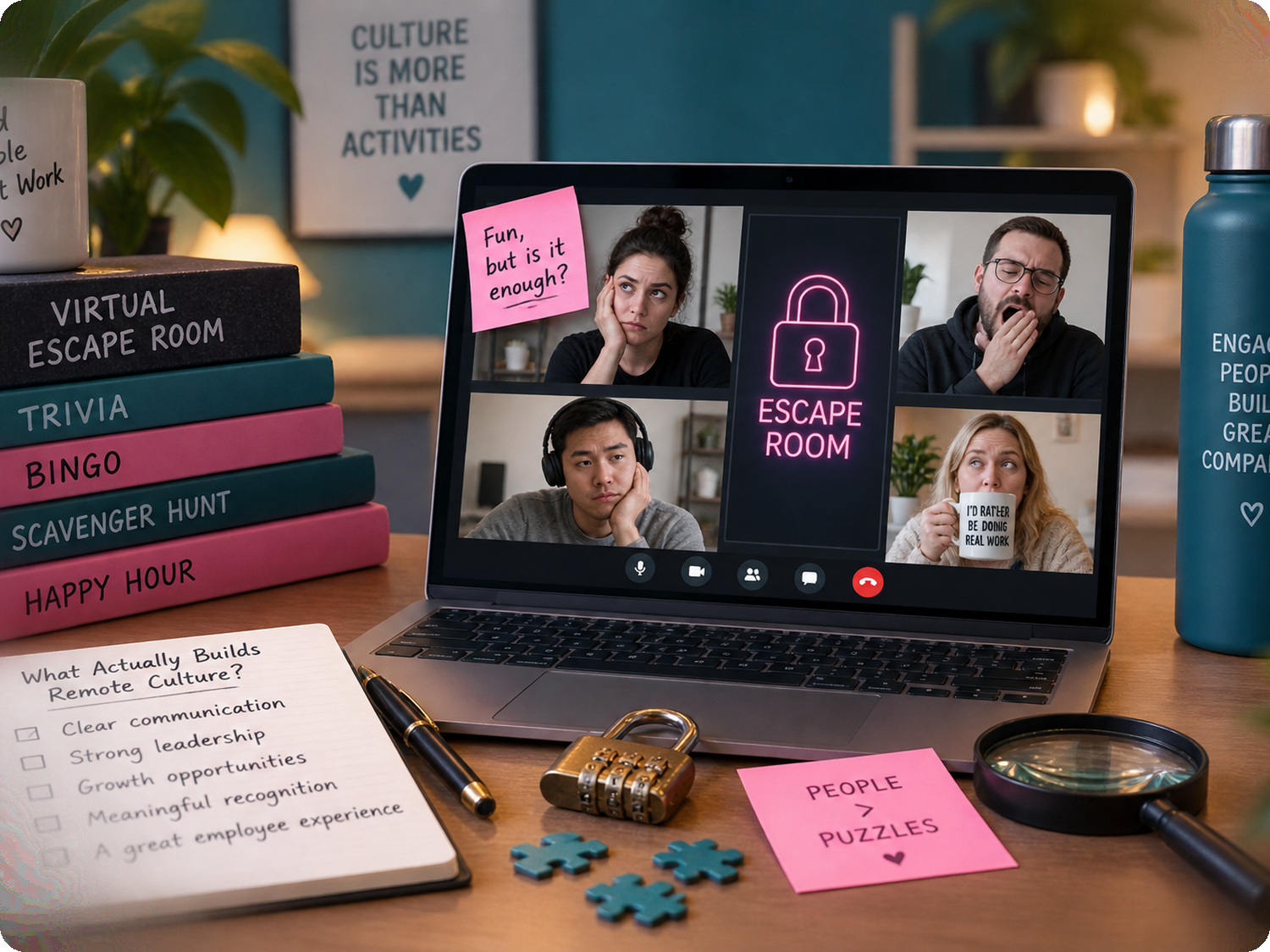
A Virtual Escape Room Won’t Save Your Remote Culture
Forced fun has a reputation, and it's not a flattering one. Virtual escape rooms and themed happy hours might get a few laughs, but they're not building anything that lasts, especially not when your team is spread across time zones and already stretched thin. Real culture is what happens when the camera's off. This post makes the case for what actually moves the needle: defined values, intentional systems, and onboarding that means something.
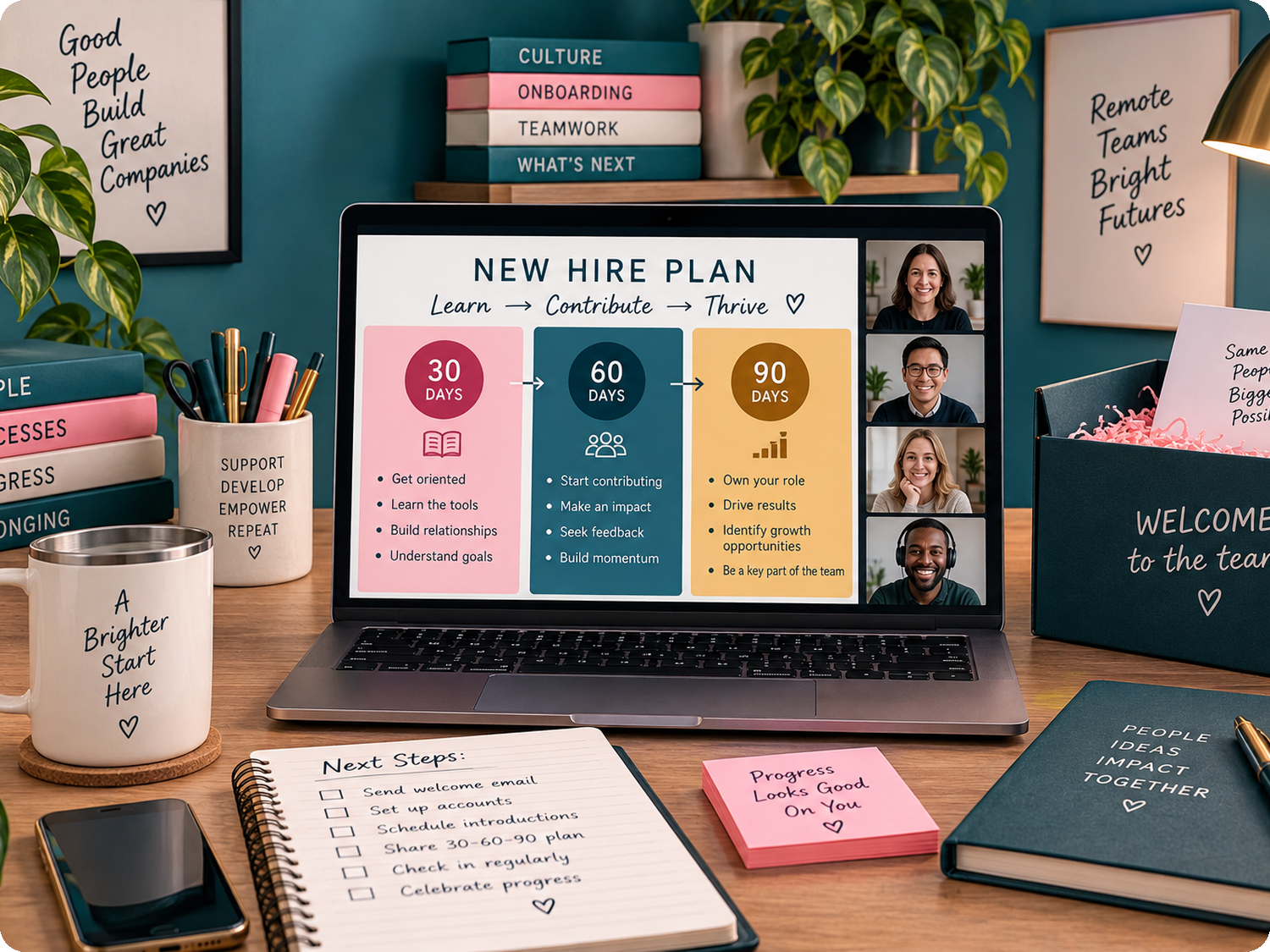
The 30–60–90 Day New Hire Plan Template Your Remote Team Needs
Starting a new remote job can feel like being handed a puzzle with no picture on the box. New hires are trying to remember twelve new logins, figure out how things actually work around here, and somehow hit the ground running, all without the informal conversations that would normally fill in the gaps. A 30-60-90 day plan changes that. This post walks through a three-phase framework designed specifically for remote teams who want their people to actually succeed.
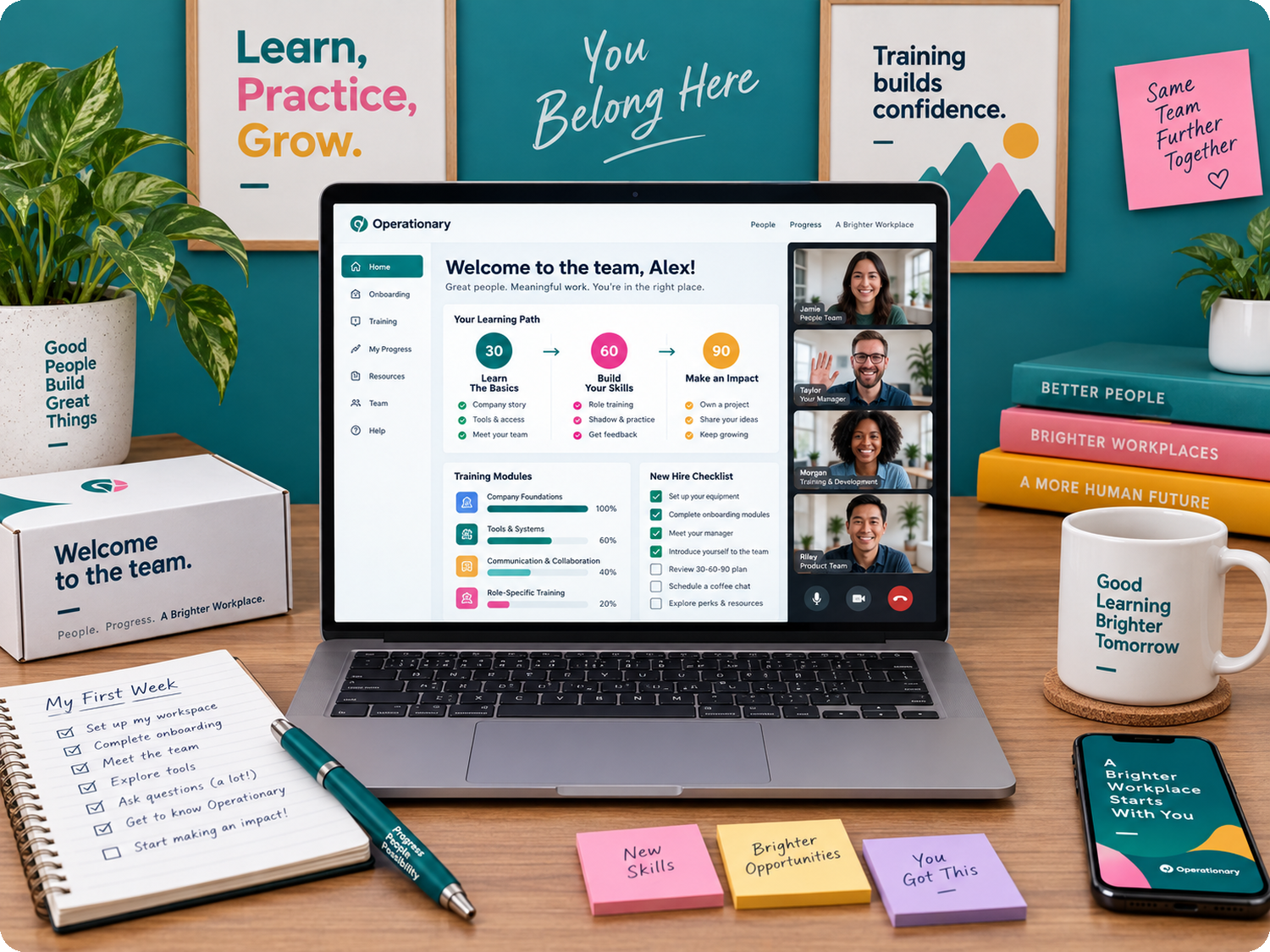
New Hire? Master the Art of Remote Employee Training
Here's something worth sitting with: 69% of employees are more likely to stay with a company long-term when they experience quality onboarding. That's not a small number. Remote training comes with its own set of challenges: the informal moments that happen naturally in an office just don't exist on a video call. This guide walks through five practical steps to build a remote training experience that actually sticks, and actually gets people to stay.

Bridging the Gap in Employee Communication Between Remote and Office Teams
Poor communication doesn't just slow teams down. It erodes trust, and in a hybrid setup, that erosion happens faster than most leaders expect. Remote employees and in-office teams have fundamentally different communication rhythms, and pretending otherwise is probably where a lot of companies go wrong. This post breaks down the real differences and offers seven practical strategies to help distributed teams actually connect, not just check in.

The Importance of Success Metrics for Each Role Within Your Organization.
Measuring time in a seat is not the same as measuring contribution. A lot of organizations operate as if those two things are equivalent, and that tends to create a particular kind of frustration: managers who can't tell who's actually performing, and employees who have no clear idea what "doing well" even looks like in their role. This post makes the case for outcome-based success metrics and walks through how to build them for every role in your organization.
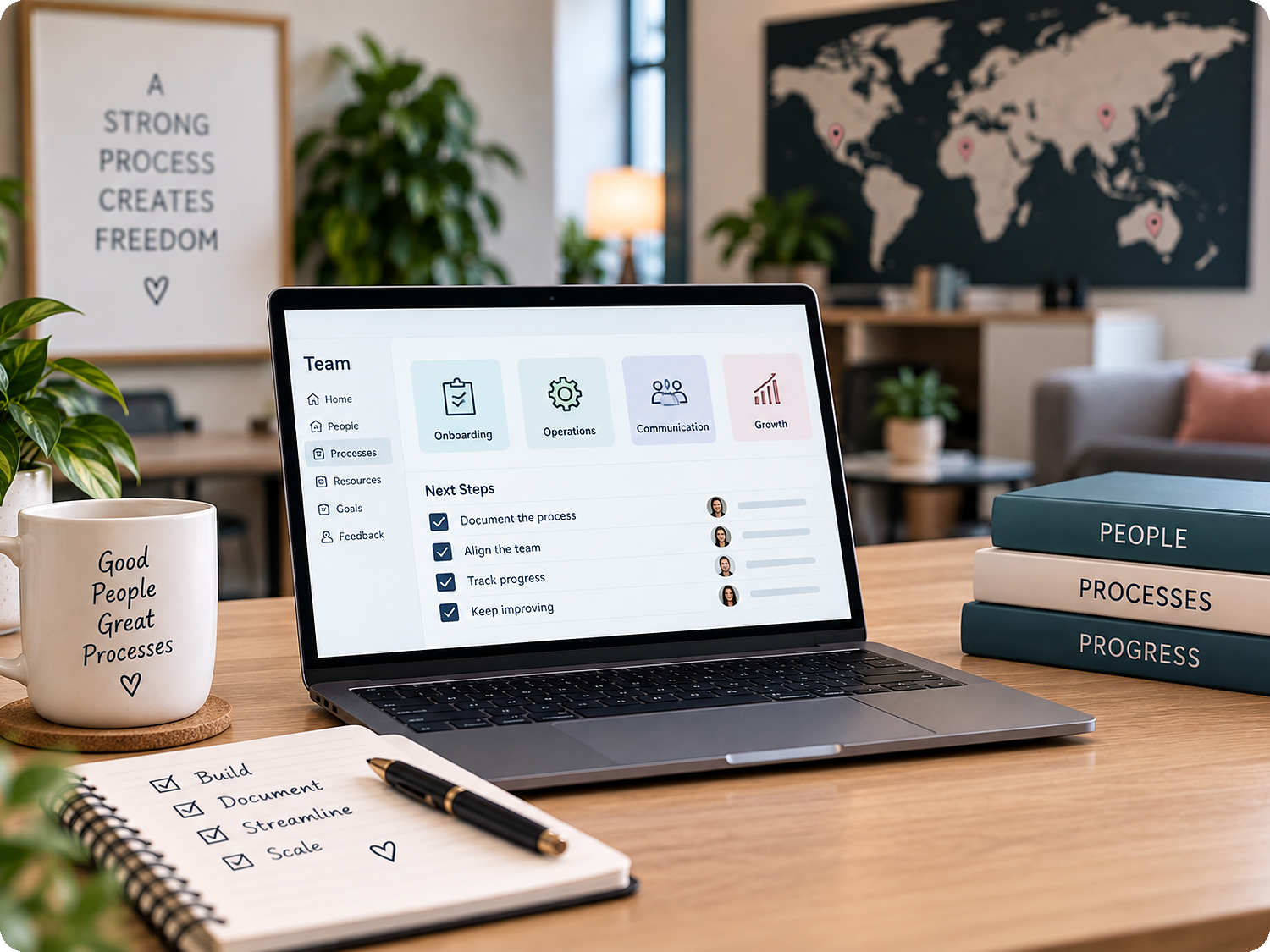
Hey Executives… It’s Not the Location of Your Employees, It’s the Processes
The debate about where people work has gotten a lot of attention, maybe more than it deserves. Because the research keeps pointing to the same thing: location isn't what's driving poor performance or disengagement. Outdated processes are. When systems are built around physical presence and visibility as markers of productivity, remote work exposes every crack in them. This post is a direct argument for shifting focus from where your employees sit to how your organization actually runs.
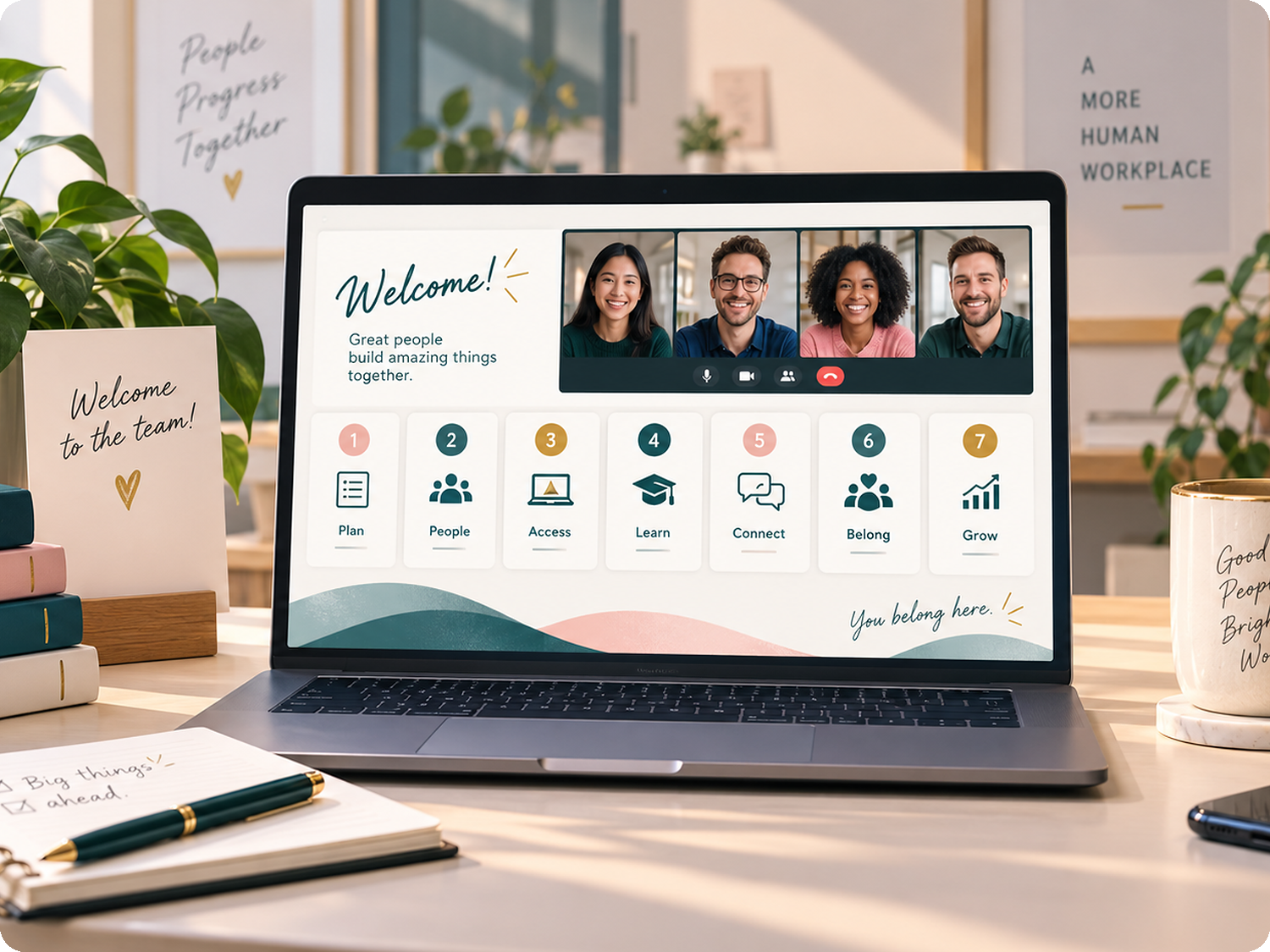
7 Best Practices for Virtual and Hybrid New Hire Onboarding (That Actually Work)
With more than half of U.S. employees working hybrid or fully remote, traditional onboarding approaches like the awkward icebreakers, the paper compliance forms, and the endless back-to-back video calls just don't hold up anymore. And it's not a minor inconvenience: employees who experience poor onboarding are twice as likely to start looking elsewhere within the first year. These seven practices are the ones that actually change that outcome.

Top 5 Best Practices for Remote Team Management
Managing a remote team well takes more than just the right tools. It takes intention. This post walks through five core practices that help startup founders and managers lead distributed teams with clarity, including how to set up communication channels that actually work, rethink performance metrics beyond hours logged, and build a virtual culture people want to be part of. Because productivity isn't about time in a seat, and most remote teams already know that.